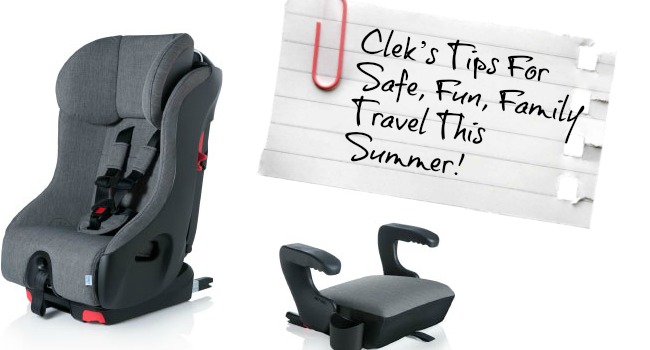
 Clek’s Tips For Safe, Fun, Family Travel This Summer!
Summer travel means quality time with family. New places, new experiences, and spending time with each other. Clek, the award-winning car seat company, offers the following tips for a fun and safe vacation:
1. Ensure your destination is child friendly.
Find out if your destination will accommodate infants and toddlers to ensure you have a relaxing vacation. Check online reviews to find out if it is family-friendly.
2. Travel safely.
“Whether you’re traveling by air or ground, ensure you have access to a car seat for each child. Best practice is to bring your own child seat because you know it’s history and you’re familiar with how to use and install it,” says Trudy Slaght, Clek’s Child Passenger Safety Technician. “Beyond safety, bringing your own car seat gives your child a familiar place to sit, making for an easier trip.”
Transport Canada highly recommends the use of an approved child restraint for all phases of flight. It will provide the greatest degree of protection for the infant or child and its use during flight will help in case of turbulence. By using the child restraint on the aircraft, it will also ensure that you will have it available for use in the car at your destination.
Don’t worry about going over the carry-on limit for air travel, you’re allowed the extra item when it is a car seat. Plus, Clek’s weelee is a universal travel bag that makes bringing your own car seat a breeze!
3. Give yourself extra time.
Everything takes longer with kids so arrive early. For air or bus travel this means you can have your seats pre-assigned to save you from any last minute hassle. For road trips, be sure to get a good night’s sleep, it’s imperative to be alert for the long drive. Don’t over pack your vehicle so as to impede visibility. Plan pit stops along the way: playgrounds, parks, landmark attractions, etc. Buckle up and have fun!
4. Plan what to bring.
You won’t have access to all your preferred comforts on the road. Beyond your packed items, bring these essentials with you that should be easily accessible:
For baby: Diapers, wipes, change pads, bottles, extra clothes, formula, etc.
First Aid Kit: Band aids, hand sanitizer, antiseptic cream, gauze pads, plastic bag (for car sickness), medicine, etc.
Snacks: water, drink boxes, easy-to-eat snacks (i.e. sandwiches, cheese, apple slices, granola bars, cookies, cereal raisins, crackers, etc.)
Favourite toy: A familiar object will make your child more comfortable on the road (i.e. teddy bear, blanky, pillow, book, etc.). Keep in mind it could get lost. Something special and new for the trip can make it extra fun too.
Other: sunblock, bug spray, flashlight, phone charger, gps/road side assistance plan, maps, disposable toilet seat covers, etc.
Follow these tips and you’re sure to have a safe, fun, family adventure!




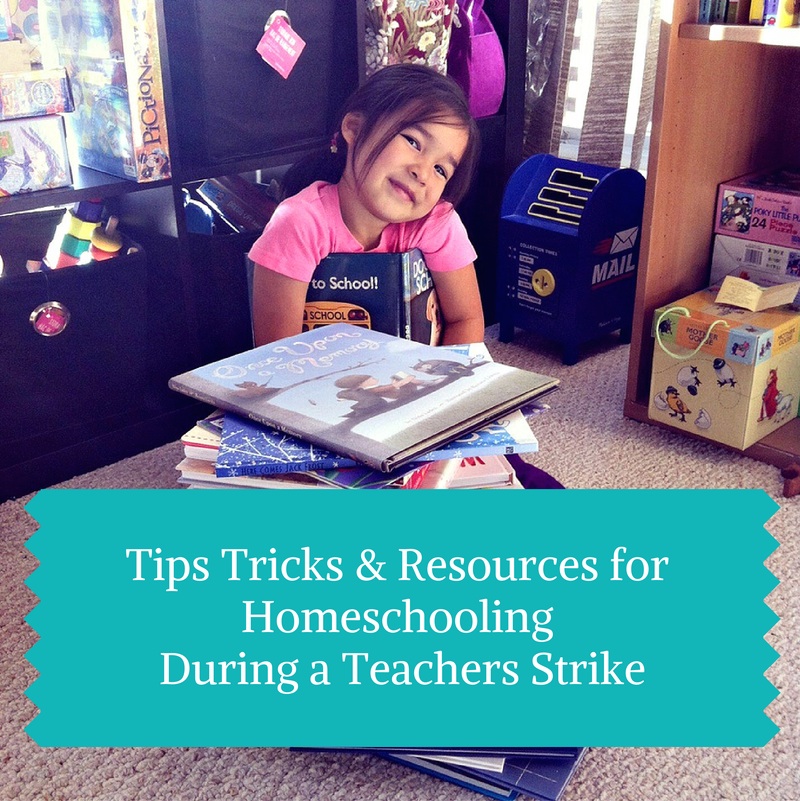
 10 Tips and Tricks for Homeschooling During a Teachers Strike:
 Considering homeschooling? Here are some great resources to help you get started:

 Knee. Kick. Jab. Feel empowered? I sure did. Founded in 2004, the
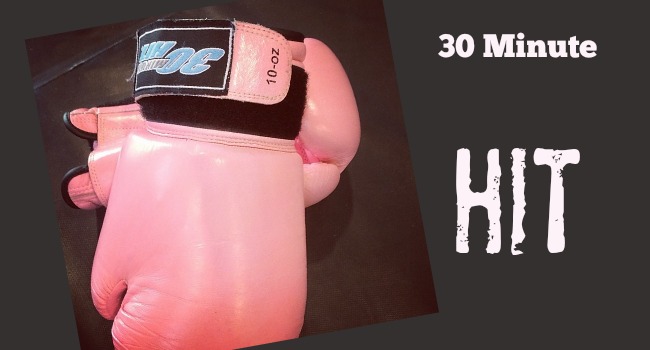
  After signing in on the electronic board, you warm up by skipping. (If you remembered to do your kegels while pregnant.) Not only had I been lazy in that regard but I hadn’t skipped since the pink ribbons came off of my pigtails. Not to worry. The friendly environment and trainer helped get me warmed up in ways that suited my needs. Like in a traditional boxing ring, there’s a bell. I felt hard core – except for the gorgeous pink boxing gloves. At every ding of the bell I graduated to the next station, alternating between arms, legs and core strength.
 As I went through the circuit, not only were my muscles getting stronger, but my confidence and self-esteem were improving in ways far beyond the tightening of muscles or slimming of the waistline. The end of the circuit involved ‘Bob’, a foam torso and head (who is actually quite ripped despite being attached to a pole). I was able to do anything I wanted to him using the boxing techniques I had learned. Sure I felt sorry for the guy at first, but I also felt fit, strong and resilient. And I was in and out in 30 minutes. I’ll be back, Bob. And sorry for that wicked uppercut.