
Summer is a perfect time to facilitate learning through entertainment. Remember being a kid and looking in the encyclopedia when you found a mushroom or learned a bit about physics when your fishing rod broke? Let’s get outside this summer and see what nature will teach us!
15 Summer Activities in Nature
1. Go for a hike! It’s a great way to get some exercise and discover new species at the same time.
2. Build forts made of driftwood on the beach. The kids can learn about structures while having fun scouring the beach for the much needed piece of wood for the roof.
3. Go camping! Whether it be at a site or just the backyard, camping is a great way to get outside and learn about your surroundings.
4. Do some gardening! Get the kids involved and give them a small patch in the backyard to create their own mini garden. They can learn what different species need to survive and have fun choosing the plants for their garden at the same time.
5. Go on an outdoor scavenger hunt! Make a list of things to find, whether it be a pinecone, something yellow, or a leaf the size of your hand and get scavenging!
6. Go geocaching! Teach the kids some navigation skills as they hunt for treasure. You never know, there may be treasure waiting for you right around the corner!
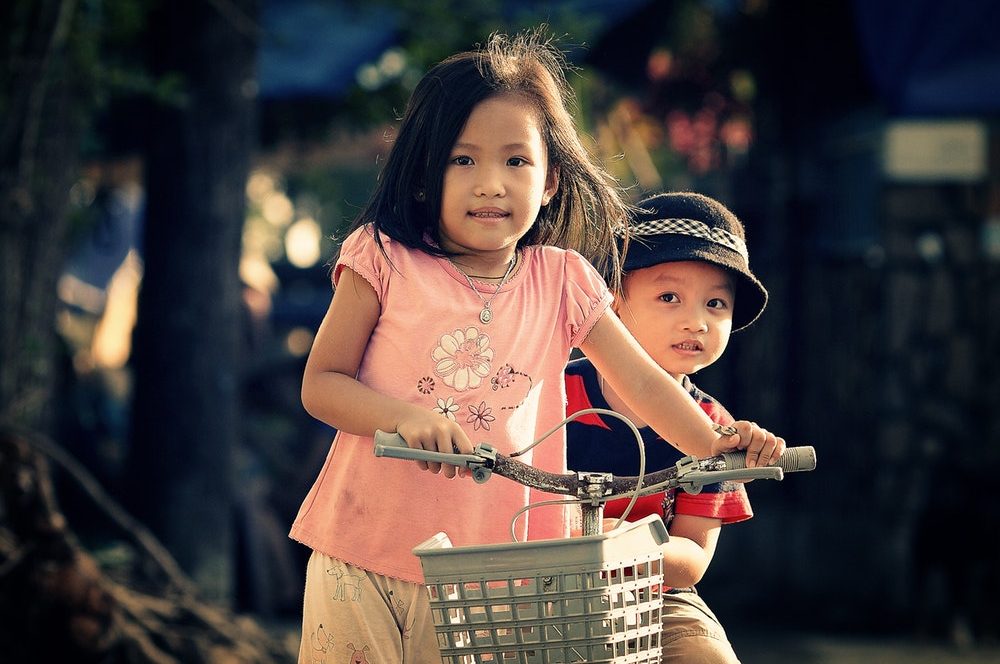
7. Go for a family bike ride. On a trail or through the neighbourhood, biking is a great way to be active in nature.
8. Go berry picking! Everyone can do it and afterwards the family can learn how to make a delicious treat incorporating the berries.
9. Fly a kite! You can get crafty and make your own or you can by one at the store. Either way, kite flying is a great family activity.
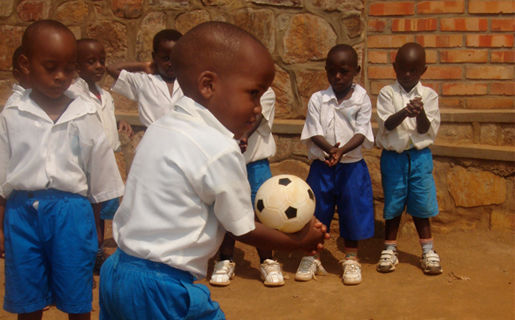
10. Have a neighbourhood game of soccer! Get the whole neighbourhood involved and play this simple yet fun game in your front yard or the park. You will be teaching the kids about teamwork in a way that just seems like fun and games.
11. Decorate the sidewalk with chalk! The kids can unleash their creativity while enjoying the great outdoors.
12. Take out your camera and go outside for some outdoor photography. Get some shots of your favorite plants and animals to use in a scrapbook!
13. Scavenge the beach for shells and sea glass to use in an art project of the kid’s choosing. Their creativity will not be lost over the summer with projects like these.
14. Go kayaking or stand up paddle boarding! Get outside and breath in the ocean air! Perseverance is taught (especially if it’s your first time) and the health benefits are endless!
15. Set up the sprinkler on those particularly hot summer day’s and watch the endless hours of enjoyment begin.
 It’s been a rough week. My son is having a hard time with self-esteem and handling stress. He is lashing out and struggling and as his mother, I feel my heart breaking piece by piece.
 I am honoured to be part of a new program with Right To Play called Level The Field. The organization operates to create a healthier and safer world through the power of sport and play to help create a level field and equal opportunities for children everywhere. Teamwork, cooperation and respect are explored in fun ways and community leaders act as coaches to change behaviours. Right To Play’s innovative methodology is grounded in a deep understanding of social learning theory and child development needs. Through sport and activities adapted from local traditional games, mental, physical and psycho-social well-being of the children improve. (And I have a hunch that the parents feel pretty good as they watch their children play and laugh.)
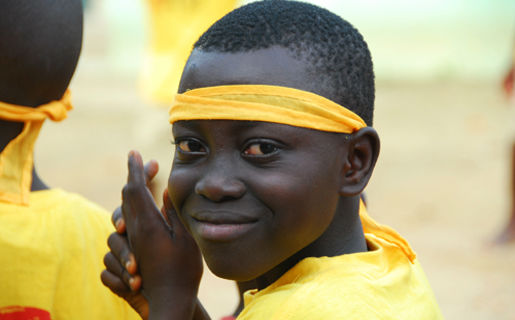 Liberia is one of the poorest countries in the world with one of the highest incidences of malnutrition, infectious disease and other global health concerns. 85% of people live below the world poverty line*. A massive civil war between 1989-2003 not only modeled violent combat for the children, but it created a lack of trust in people from other communities. After Right To Play started working with local communities in Liberia in 2008, there are more organized sports and activities and people from various communities play together. Children are less likely to reach for weapons and fists to settle conflicts. And 183 local leaders and supervisors have been trained as positive role models. People with disabilities are now included in play, and girls and boys are now playing together more often, in a country with a high incidence of sexual violence and a history of gender inequality.
 *Source: Charitywater.org