



 WHEN: Start Early. Beware the ides of March…because after that, before you know it …It’s June 15th. Heads up, If you are looking for someone to start in June… you should start your search at the end of March. Great, organized, on the ball nannies/babysitters/employees will also be looking early. If you leave it to the last minute…pickings can get quite slim.

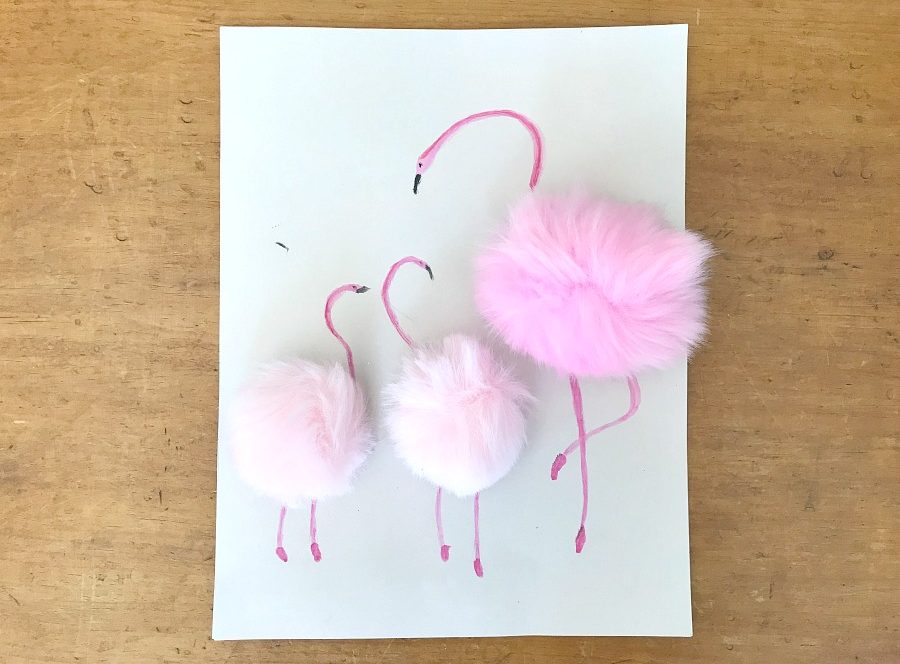







Are you ready? Why not skip the tie and cufflinks. Meaningful, special gifts could turn into heirlooms and make him smile for a whole year. We welcome you ideas as well, but for now, here are a few of ours…
1. Find an artist and get a painting or sketch made from his favourite photograph.
We’re a bit lazy. But clever. The next time you need to cut up some of the baby’s food, don’t get out the cutting board and knife, then chop off your manicured nails while getting the pieces small enough for your little princess. Put the food in a bowl and cut it up with scissors held vertically. Throw them in the dishwasher and voila! Manicure saved. You can also do this with our easy first foods ideas, and freeze small pieces instead of puree.
Scissors are also a great way to get kids involved in the kitchen. Even child-safe scissors are a great option, held vertically, to chop cooked carrots or beans into tiny pieces.
What fun! There’s nothing quite like planting seeds with your toddler or watching a rose bloom while pregnant.

Despite the fact that one third of first trimesters will end in miscarriage, it is a topic that stops us in our tracks. When dealing with grief after pregnancy loss, physically and emotionally, a woman and her partner need support and love through this difficult time. In Canada, we are blessed to have a number of services available to us to assist in coping, recovering and assessing our options. Griefworks says that “after the loss of a baby, there may be no satisfying answers. There may have been genetic, fetal, or external factors beyond anyone’s control – yours or your doctor’s.
 “Next time I’m just booking a cesarean.”
“My first birth was so traumatic – I want drugs the moment I start labour.”
“I can’t walk through the door of a hospital again.”
“I think we’d better adopt our second child.”
To all the women who say these words…
Please know that it wasn’t your fault.
 Spring, and a little toddler’s fancy turns to… baby lambs. Born last night at Maplewood Farm are two beautiful black ones that will melt your heart. Chasing the hens, climbing with the goats or feeding the bunnies is such fun at this North Vancouver barnyard. Spring is a great time to go and explain the difference between sheep and lambs, pigs and piglets (flash cards not included). Get up close and personal with the animals, and don’t forget your carrots and parsley for the rabbits. Birdseed is available for the chickens.
Having and raising children can be an anxiety-provoking experience, particularly for new parents. In most cases, the worries and anxious thoughts of parenthood are fleeting and completely normal. However, when a parent begins to feel overwhelmed, different coping strategies are needed. How will you know if you are experiencing anxiety?
 Oh, to be a child. What kid wouldn’t want to play in this all day? The creative possibilities are endless, and the craftmanship is sublime. The Lucy & Michael play tent folds up for easy storage, but it is so pretty, you may just want to keep it in the living room. Available at Raspberry Kids.

I’m not a doctor. I’m not an expert in infant development or behaviour. In fact, before I had my own kids, I wasn’t even particularly drawn to little kids. But, I’m a mom who has had two of these ‘high needs’ babies (granted, my second was much more so). I had never heard the term until my second child was a few months old, but when I saw the description a light bulb went off. I wasn’t alone! My baby wasn’t psychologically underdeveloped, emotionally stunted, spoiled, or difficult, just ‘high needs’. Finally there was a way I could explain it to people, instead of just saying, “My baby is really, really fussy”.
But Aren’t All Babies ‘Needy’?
Perhaps the best way to describe what ‘high needs’ is, is to first explain what it is not. Well meaning people (parents, at that!) may say, “Oh, all babies are high needs to some extent. They are babies, after all”. Other people think, “Surely you must be exaggerating…your baby can’t cry and fuss all day”. Well, let me tell you – they most certainly can!
The term ‘high needs’ is simply a descriptive term given to any baby that requires a significant (above average) amount of holding, attention, movement or motion in order to prevent crying, screaming or fussing.
My High Needs Baby
I remember when our son was 4 weeks old and in the hospital with a respiratory virus. Surprisingly, he screamed and cried less in those 4 days than in the previous month (perhaps because of all the action and activity going on?). He actually laid still on the bed for a couple of minutes watching the TV. My husband took a picture of him lying there, because it was a significant moment – That was the longest he had gone without crying since he was born (except when he was sleeping, of course).
Like our little guy, a high needs baby is not likely to drift peacefully off to sleep while you sing a lullaby, or sit happily in the stroller watching the world go by. A high needs baby probably doesn’t entertain him or herself by playing quietly with toys, and likely doesn’t feed every 2.5-3 hours and then contentedly lay back and gaze up into her mother’s eyes. In fact, sometimes it may seem like your high needs baby is seldom content or happy. And if you do find some little trick that works, chances are it won’t work next time.
What Makes a Baby High Needs?
Babies may be high needs because they are in pain or discomfort. Perhaps there is a physical issue present, such as acid reflux, or an allergy or sensitivity to dairy or other foods. And of course, many newborns go through a colicky stage, where they cry or scream, usually in the evening (but not always), usually appear to be in pain, and where soothing efforts may appear to be useless. In some cases, a baby is high needs because of their temperament; the only sure way to tell if this is the case is if the fussiness doesn’t go away as your baby gets older.
I would consider babies experiencing any of these physical issues to be ‘high needs’. Some would disagree because there is a clear cause to the crying. Regardless, these babies all have a few things in common: They cry excessively, are difficult to soothe, may have trouble sleeping or eating, and are very draining on their parents.
Characteristics of a High Needs Baby
Following are some of the characteristics of high needs babies. All babies experience these issues from time to time. High needs babies, on the other hand, experience these a majority of the time, and probably experience many of them at the same time.
The term ‘high needs’, as coined by Dr. Sears, is a term used to describe infants who have difficulty in many key areas, particularly in feeding, sleeping and transitions in general. Some of the characteristics of a high needs baby include:
- Difficulty falling and/or staying asleep
- Difficulty entertaining themselves
- Excessive crying or fussing
- Loud, intense crying or screaming (often for no apparent reason)
- Difficulty feeding
- Unpredictability
- May be difficult or seemingly impossible to soothe
- Demanding (may cry urgently when needs aren’t met immediately)
- May need to be carried around constantly
- May require movement or motion (e.g. a swing, car ride, etc.) to prevent crying
- Reacts strongly to stimuli (both positive and negative)
- High-energy
- May require lots of activity/stimuli to remain entertained
- May need the calm and familiarity of home to remain somewhat content
The verdict is out on whether or not high needs babies remain high needs. Some extremely active, demanding babies become gentle and calm toddlers. Others remain very busy, active, and persistent.
How Do I Cope with My High Needs Baby?
In my experience, half the battle is adjusting your thinking and accepting your baby as he or she is. Realize that some babies just have a different temperament, and just need more attention right now. Try to put aside the expectations and hopes you had for your baby when you were pregnant. Embrace the fact that your baby is who he is, but this isn’t how he will always be.
When your baby is screaming, strap her into the stroller, get yourself a coffee and go for a long walk. Don’t worry about your house looking perfect. In a few months, you’ll have more time for that. Arrange to have a babysitter a couple of times a week…don’t worry about your baby’s crying bothering the sitter. This is one day in her life, this is your every day. Order in dinner; the gourmet meals can wait a while.
But most of all, be gentle with yourself. The expectations you may have had for what kind of mother you would be probably didn’t take into account having a high-needs baby. Don’t expect that you’ll always have warm, fuzzy feelings towards your little one. Enjoy the quiet, happy times you do have together right now. Find ways to get through it. I promise, it will get easier.
Holly Klaassen is a mother of two and runs an excellent resource site for parents of fussy babies.